


Digital Eye Strain 101: What Happens to Your Eyes After Hours on Screens

From work computers and tablets to smartphones and gaming devices, screens are an unavoidable part of modern life. While technology helps us stay productive and connected, extended screen time can take a toll on your eyes. This condition, known as digital eye strain, affects both adults and children and can quietly worsen over time if left unaddressed.
What Is Digital Eye Strain?
Digital eye strain - also called computer vision syndrome - refers to a group of vision-related symptoms caused by prolonged screen use. Unlike reading a book, screens force your eyes to constantly refocus, track movement, and adjust to glare and contrast changes. Over time, this visual workload strains the eye muscles and the visual processing system.
What Happens to Your Eyes During Extended Screen Use?
- Reduced Blinking and Dryness: When looking at a screen, people blink up to 60% less often than normal. Fewer blinks mean your eyes dry out faster, leading to irritation, burning, redness, and a gritty sensation.
- Overworked Eye Muscles: Your eyes are constantly focusing and refocusing as you read text, scroll, or switch between devices. This continuous effort can fatigue the eye muscles, causing soreness around the eyes and temples.
- Difficulty Focusing: After hours of screen time, many people notice blurred or fluctuating vision, especially when shifting focus from near to far distances. This can make driving or reading printed text uncomfortable.
- Light Sensitivity and Headaches: Exposure to bright screens, blue light, and glare can increase sensitivity to light and trigger headaches or migraines, particularly for individuals with underlying visual alignment issues.
- Neck and Shoulder Strain: Digital eye strain doesn’t just affect the eyes. Poor posture and visual stress often lead to tension in the neck, shoulders, and upper back.
Common Symptoms of Digital Eye Strain
- Tired, aching, or burning eyes
- Dry or watery eyes
- Blurred or double vision
- Headaches, especially after screen use
- Difficulty concentrating
- Eye pressure or discomfort behind the eyes
These symptoms may come and go at first but can become more persistent over time.
Simple Ways to Reduce Digital Eye Strain
- Follow the 20-20-20 rule: every 20 minutes, look at something 20 feet away for 20 seconds
- Adjust screen brightness and reduce glare
- Maintain proper posture and screen distance
- Use artificial tears if recommended by your eye doctor
- Schedule regular comprehensive eye exams
How Specialized Lenses Can Help
For some patients, digital eye strain is linked to subtle eye alignment issues that make the visual system work harder than it should. Advanced lens technology, such as Newton™ (formerly Neurolens®), is designed to help relieve eye muscle strain by supporting proper visual alignment during near and intermediate tasks like screen use.
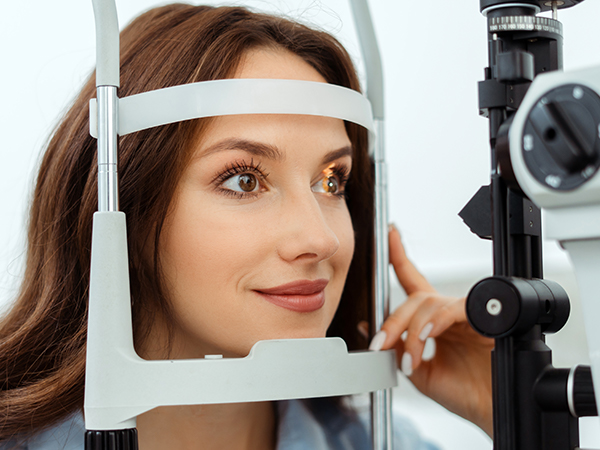
During a comprehensive eye exam, your eye doctor can determine whether specialized lenses may be beneficial for reducing symptoms such as headaches, eye fatigue, and visual discomfort associated with extended screen time.
Explore Advanced Solutions for Digital Eye Strain
Digital eye strain is a growing concern in today’s screen-driven world, but it doesn’t have to be a permanent part of your daily routine. With the right care, tools, and professional guidance, your eyes can stay comfortable even in a digital-first lifestyle.
Schedule a comprehensive eye exam at Lighthouse Vision to find personalized solutions for today’s digital demands. Visit our office in Milford, Connecticut, or call (203) 783-9632 to book an appointment today.


- Monday Closed
- Tuesday 9:00am - 6:00pm
- Wednesday 9:00am - 6:00pm
- Thursday 9:00am - 6:00pm
- Friday 9:00am - 5:30pm
- Saturday Closed
- Sunday Closed
© 2026 Lighthouse Vision. All rights Reserved. Accessibility Statement - Privacy Policy - Sitemap
Powered by:
