


Comprehensive vs. Fast Eye Screening: What’s the Difference?
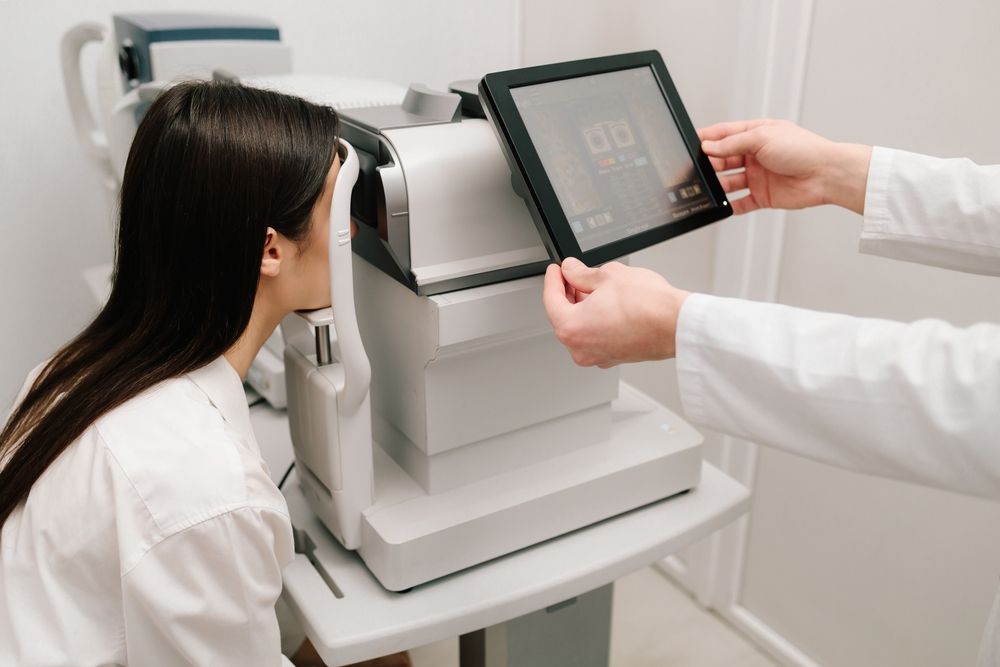
When was the last time you had your eyes thoroughly examined? Many people assume that a quick vision screening is enough to maintain healthy eyesight. While these brief checks can identify obvious vision problems, they don’t provide the full picture of your eye health. Understanding the difference between a fast eye screening and a comprehensive eye exam is essential for protecting your vision long term.
The Limitations of Fast Eye Screenings
Although fast eye screenings are convenient, they are limited in scope. Most focus primarily on visual acuity - how clearly you see at a distance. However, being able to read an eye chart does not necessarily mean your eyes are healthy.
Screenings typically do not assess eye coordination, peripheral vision, depth perception, eye pressure, or the health of the retina and optic nerve. They also do not thoroughly screen for conditions such as glaucoma, macular degeneration, or diabetic eye disease. Many of these conditions develop gradually and without early symptoms, meaning they can go undetected during a simple screening.
Passing a vision screening may indicate that you can see clearly, but it does not confirm that your eyes are free from disease or other underlying concerns.
What Happens During a Comprehensive Eye Exam?
A comprehensive eye exam is a detailed evaluation of both your vision and your eye health. Unlike a screening, it goes beyond checking how well you can see letters on a chart. At Lighthouse Vision, a comprehensive exam is designed to assess your visual clarity, eye coordination, and the overall health of your eyes.
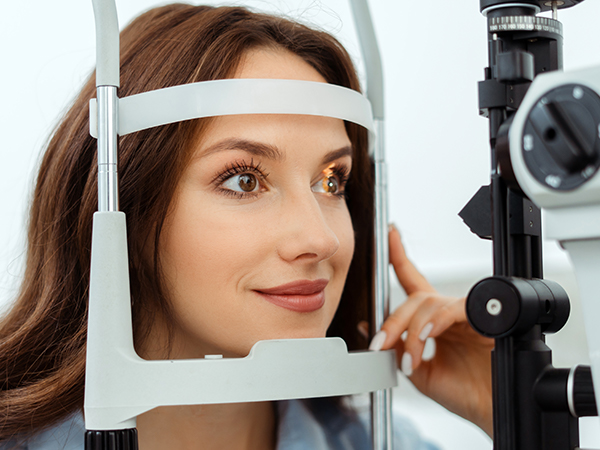
During the exam, your optometrist will perform a precise refraction to determine your exact prescription. They will evaluate how your eyes work together, test your peripheral vision, measure eye pressure, and carefully examine the retina and optic nerve. These tests allow for the early detection of eye diseases and may even reveal signs of certain systemic health conditions. This thorough approach ensures that both vision correction and long-term eye health are addressed in a single visit.
The Benefits of Annual Comprehensive Eye Exams
Scheduling an annual comprehensive eye exam is one of the most important steps you can take to protect your vision. Many serious eye conditions develop without noticeable symptoms in the early stages. Regular exams allow for early detection and timely treatment, significantly improving outcomes.
Annual exams also ensure that your prescription remains accurate. Even subtle changes in vision can lead to eye strain, headaches, and fatigue if left uncorrected. By monitoring your vision year after year, your provider can make adjustments as needed to keep you seeing comfortably and clearly.
Additionally, the eyes can provide insight into overall health. Conditions such as diabetes and high blood pressure often show early signs in the eyes. A comprehensive exam can sometimes detect these issues before other symptoms arise, making it an important part of preventive healthcare.
Schedule Your Comprehensive Eye Exam at Lighthouse Vision
Fast eye screenings serve a purpose, particularly in identifying individuals who may need further evaluation. However, they are not a substitute for a comprehensive eye exam. Clear vision alone does not guarantee healthy eyes. A comprehensive exam provides a complete picture of your visual function and eye health, helping to detect problems early and preserve your long-term vision. If it has been more than a year since your last full evaluation, now is the time to prioritize your eye care.
Contact Lighthouse Vision to schedule your annual comprehensive eye exam and experience the confidence that comes with complete eye care. Visit our office in Milford, Connecticut, or call (203) 783-9632 to book an appointment today.

- Monday Closed
- Tuesday 9:00am - 6:00pm
- Wednesday 9:00am - 6:00pm
- Thursday 9:00am - 6:00pm
- Friday 9:00am - 5:30pm
- Saturday Closed
- Sunday Closed
© 2026 Lighthouse Vision. All rights Reserved. Accessibility Statement - Privacy Policy - Sitemap
Powered by:
